.png)
.png)
Pool ownership in the Bay Area is unique. Unlike regions with harsh winters or extreme summers, Bay Area homeowners enjoy a relatively mild climate year-round. But that same mildness often leads to a false sense of security when it comes to pool maintenance. Many homeowners assume that because their pool never fully “closes,” seasonal care adjustments aren’t necessary.
In reality, seasonal changes still have a measurable impact on water chemistry, debris accumulation, equipment performance, and long-term pool health. Pools that aren’t maintained with the seasons in mind are far more likely to develop algae, suffer premature equipment wear, or require costly repairs that could have been avoided entirely.
This guide breaks down seasonal pool care for Bay Area homeowners, explaining what actually changes throughout the year, why those changes matter, and how a proactive, seasonally adjusted maintenance approach protects both your pool and your investment.
Why Seasonal Pool Care Still Matters in a Mild Climate
One of the most common misconceptions among Bay Area pool owners is that seasons don’t really matter. While it’s true that we don’t deal with freezing temperatures or snow-covered pools, our pools are still affected by temperature swings, rainfall, plant cycles, and changes in usage.
Water chemistry responds directly to temperature and environmental exposure. Cooler temperatures slow chlorine activity, while warmer temperatures accelerate it. Rainwater introduces contaminants and alters pH and alkalinity. Trees drop different types of debris at different times of the year, and even sunlight exposure shifts enough to change chlorine demand.
Ignoring these seasonal variables doesn’t usually cause immediate failure. Instead, it creates a slow buildup of imbalance. Filters clog more quickly, pumps work harder than they should, and algae spores gain a foothold. By the time symptoms appear, the solution is no longer routine maintenance—it’s corrective service.
Seasonal pool care is not about doing more work. It’s about doing the right work at the right time.
Winter Pool Care in the Bay Area: Quiet Months, Hidden Problems
Winter is often when pool problems begin, even though they may not show themselves until spring.
During the cooler months, many homeowners reduce attention to their pool. Swimming slows down, debris becomes less noticeable, and water can appear deceptively clean. Under the surface, however, several things are happening.
Cooler water temperatures reduce chlorine effectiveness. Leaves and organic material still enter the pool, but without regular removal they sink and decompose. Rainwater dilutes chemicals and introduces phosphates, dust, and pollutants from surrounding surfaces. Circulation is often reduced, allowing dead spots to form where algae can begin to grow unnoticed.
The goal of winter pool care is stability, not intensity. Maintaining balanced water chemistry and consistent circulation prevents small issues from turning into springtime disasters. A pool that is properly cared for during winter typically enters spring clear, balanced, and ready for increased use without requiring aggressive chemical treatments.
Spring Pool Care: The Most Important Season of the Year
If there is one season where proper pool care matters most in the Bay Area, it is spring.
As temperatures begin to rise, everything that was dormant over winter comes back to life. Trees release pollen, winds increase debris, and algae spores become active. At the same time, homeowners often begin using their pools more frequently, increasing the organic load in the water.
Spring is when neglected winter pools reveal their problems. Cloudy water, algae blooms, and equipment failures are most common during this period, not because spring causes problems, but because it exposes the ones that were already there.
A properly maintained pool transitions smoothly into spring. Water chemistry is adjusted without shock treatments. Filters are cleaned before they become clogged. Pumps and heaters are inspected while issues are still minor and inexpensive to fix.
Spring pool care is about preparation. The better the transition into spring, the easier and more affordable the entire pool season becomes.
Summer Pool Care: High Use, High Demand, High Risk
Summer places the greatest overall demand on your pool system. Water temperatures rise, chlorine is consumed more quickly, and pools experience their highest usage of the year.
More swimmers means more sunscreen, body oils, and contaminants entering the water. Hotter water encourages algae growth and increases the strain on circulation systems. Filters must work harder, and even small inefficiencies become noticeable.
During summer, consistency is critical. Pools that are serviced irregularly often swing between over-chlorination and under-sanitation. That back-and-forth stresses surfaces, irritates swimmers, and shortens the lifespan of equipment.
A properly maintained summer pool remains stable. Chemical levels are adjusted gradually, debris is removed before it decomposes, and equipment operates within its intended range. The result is water that stays clear, safe, and comfortable even during periods of heavy use.
Fall Pool Care: Preventing the Slow Decline
Fall is another season that tends to be underestimated by Bay Area homeowners. As temperatures cool slightly and swimming decreases, attention often shifts away from pool care. Unfortunately, fall is when debris loads typically increase the most.
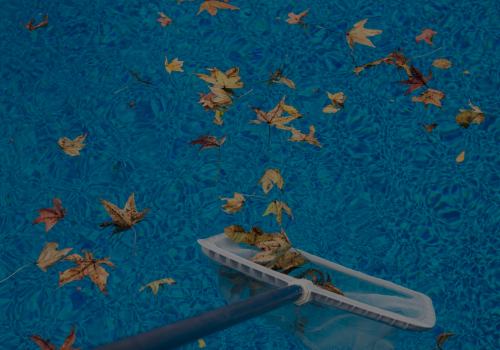
Leaves, twigs, and organic material accumulate rapidly, especially in neighborhoods with mature landscaping. If that debris is not removed promptly, it sinks, stains surfaces, and feeds algae growth well into winter.
Fall is also an ideal time to identify and address equipment wear after a long summer. Pumps, filters, and heaters that ran continuously for months may show early signs of fatigue. Catching these issues in fall allows repairs to be scheduled calmly, rather than urgently during peak season.
Proper fall care sets the stage for an easy winter and an even easier spring. Pools that are stabilized in fall rarely require major corrective work later.
How Seasonal Pool Care Protects Your Equipment
Pool equipment is designed to last, but only when it operates under balanced conditions. Chemical imbalance, excessive debris, and inconsistent circulation all shorten equipment lifespan.
Seasonal maintenance protects pumps from running against clogged filters, prevents heaters from scaling due to improper water chemistry, and reduces wear on seals and valves. Over time, this preventative approach saves homeowners thousands of dollars in premature replacements.
Many major pool repairs are not caused by sudden failure. They are caused by months or years of small, preventable stress. Seasonal care reduces that stress dramatically.
The Hidden Cost of Reactive Pool Maintenance
Homeowners who only address pool issues when something looks wrong usually spend more over time than those who maintain their pool consistently.
Reactive maintenance often involves shock treatments, emergency cleanups, algae remediation, or rushed equipment repairs. These services are not only more expensive, they are also harder on the pool itself.
In contrast, proactive seasonal maintenance focuses on prevention. Chemical levels are adjusted gradually, debris is removed before it becomes a problem, and equipment is serviced on a predictable schedule. This approach costs less over time and produces far better results.
Why Weekly Pool Service Works Best Year-Round
Many homeowners assume weekly pool service is only necessary during summer. In reality, weekly service provides the greatest benefit during the shoulder seasons and winter.
Weekly visits prevent small issues from developing unnoticed. They keep water chemistry stable, ensure debris is removed before it sinks, and allow technicians to identify early signs of equipment trouble.
Even when pools are used less frequently, the environment continues to affect them. Weekly service ensures that those effects are managed continuously rather than addressed after the fact.
Bay Area Pools Benefit from a Year-Round Maintenance Strategy
The climate that makes the Bay Area such a desirable place to live is the same climate that demands thoughtful pool care. Because pools are exposed year-round, they require year-round attention—adjusted to the season, not ignored because of it.
A seasonally adjusted maintenance plan keeps your pool balanced, your equipment protected, and your water consistently clear. It also provides peace of mind, knowing that problems are being prevented rather than discovered at the worst possible time.
Final Thoughts for Bay Area Pool Owners
Seasonal pool care is not about over-maintaining your pool. It’s about maintaining it intelligently.
Each season brings predictable changes. When those changes are anticipated and addressed proactively, pool ownership becomes simpler, more affordable, and far more enjoyable. When they are ignored, even a beautiful pool can become a source of frustration and unexpected expense.
Bay Area homeowners who understand this difference enjoy pools that look better, last longer, and require fewer emergency repairs over time.