.png)
.png)
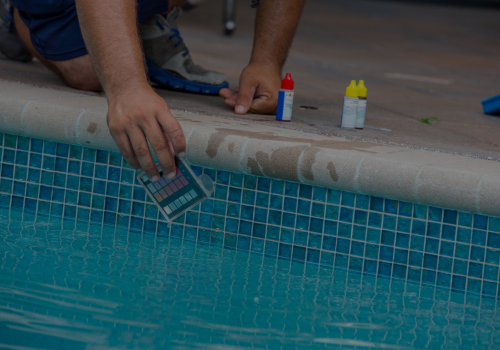
Clear water is often mistaken for healthy water. Many homeowners assume that if their pool looks clean, everything beneath the surface must be fine. Unfortunately, this assumption leads to some of the most expensive and avoidable pool repairs.
Water chemistry plays a critical role in the health of your pool system. When chemical levels are improperly balanced, damage begins quietly and progressively. By the time problems become visible, equipment may already be compromised.
This article explains how poor water chemistry damages pool equipment, why the effects are often invisible at first, and how consistent maintenance prevents thousands of dollars in unnecessary repairs.
Why Water Chemistry Matters More Than Most Homeowners Realize
Pool water is not just water. It is a carefully balanced solution designed to protect swimmers, surfaces, and mechanical components simultaneously. When that balance is disrupted, every part of the pool system is affected.
Even small deviations from recommended chemical ranges can cause long-term damage. Acidic water corrodes metals. High calcium levels lead to scaling. Improper chlorine levels allow bacteria and algae to flourish. Each of these issues places additional stress on equipment and surfaces.
Because these changes happen gradually, homeowners often don’t notice them until damage becomes severe.
Acidic Water and Corrosion Damage
Low pH and low alkalinity are among the most damaging chemical conditions a pool can experience. Acidic water aggressively attacks metal components, including heater elements, pump seals, and internal fittings.
Over time, corrosion weakens these components, leading to leaks, reduced efficiency, and eventual failure. Heater replacements caused by corrosion are particularly expensive and almost always preventable.
Once corrosion begins, it cannot be reversed. The only solution is replacement. Preventing it requires consistent monitoring and adjustment of water chemistry.
High Calcium Levels and Scale Buildup
While acidic water dissolves materials, high calcium levels do the opposite. Excess calcium precipitates out of solution and forms scale on pool surfaces and inside equipment.
Scale buildup restricts water flow, reduces heater efficiency, and increases pressure within the system. Pumps must work harder to maintain circulation, leading to higher energy costs and premature wear.
Calcium scaling often goes unnoticed because it forms internally before becoming visible. By the time homeowners see scale on tiles or fittings, internal components may already be affected.
Chlorine Imbalance and Biological Growth
Chlorine is essential for sanitation, but it must be properly balanced. Too little chlorine allows algae and bacteria to grow. Too much chlorine damages surfaces and accelerates equipment wear.
Biological growth inside plumbing and filters restricts circulation and contributes to chemical instability. Algae spores can survive in small pockets of stagnant water, spreading rapidly when conditions allow.
Maintaining proper chlorine levels requires regular testing and adjustment. Infrequent service often leads to cycles of under- and over-chlorination, both of which are harmful to the pool system.
How Poor Chemistry Affects Pool Plumbing
Pool plumbing is especially vulnerable to chemical imbalance. Corrosion weakens pipes and fittings, while scale buildup narrows internal diameters, restricting flow.
These issues increase system pressure and reduce efficiency. Leaks may develop slowly, often underground, making them difficult and expensive to repair.
Consistent water balance protects plumbing by minimizing chemical extremes and preventing long-term degradation.
The Connection Between Chemistry and Energy Costs
Improper water chemistry doesn’t just damage equipment—it increases operating costs. Pumps running against restricted flow consume more electricity. Heaters coated in scale require more energy to achieve desired temperatures.
Over time, these inefficiencies add up. Pools with balanced chemistry operate more efficiently, cost less to run, and place less strain on equipment.
Why Infrequent Testing Leads to Bigger Problems
Water chemistry changes constantly. Testing only once a month—or worse, only when problems appear—allows imbalances to persist unchecked.
Weekly testing identifies trends before they become severe. Small adjustments maintain stability and prevent the need for aggressive corrective treatments that stress the pool system.
Preventing Chemistry-Related Equipment Damage
The most effective way to prevent chemistry-related damage is consistency. Regular testing, precise adjustments, and continuous circulation keep water within safe ranges.
Weekly professional service ensures that chemistry is managed proactively rather than reactively. It also provides early detection of issues that homeowners may not recognize.
Final Thoughts on Water Chemistry and Pool Longevity
Poor water chemistry is one of the leading causes of premature pool equipment failure. The damage it causes is slow, invisible, and expensive.
Clear water alone is not enough. True pool health requires balanced chemistry maintained consistently over time.
For Bay Area homeowners who want to protect their equipment, reduce operating costs, and avoid unexpected repairs, maintaining proper water chemistry is not optional—it’s essential.